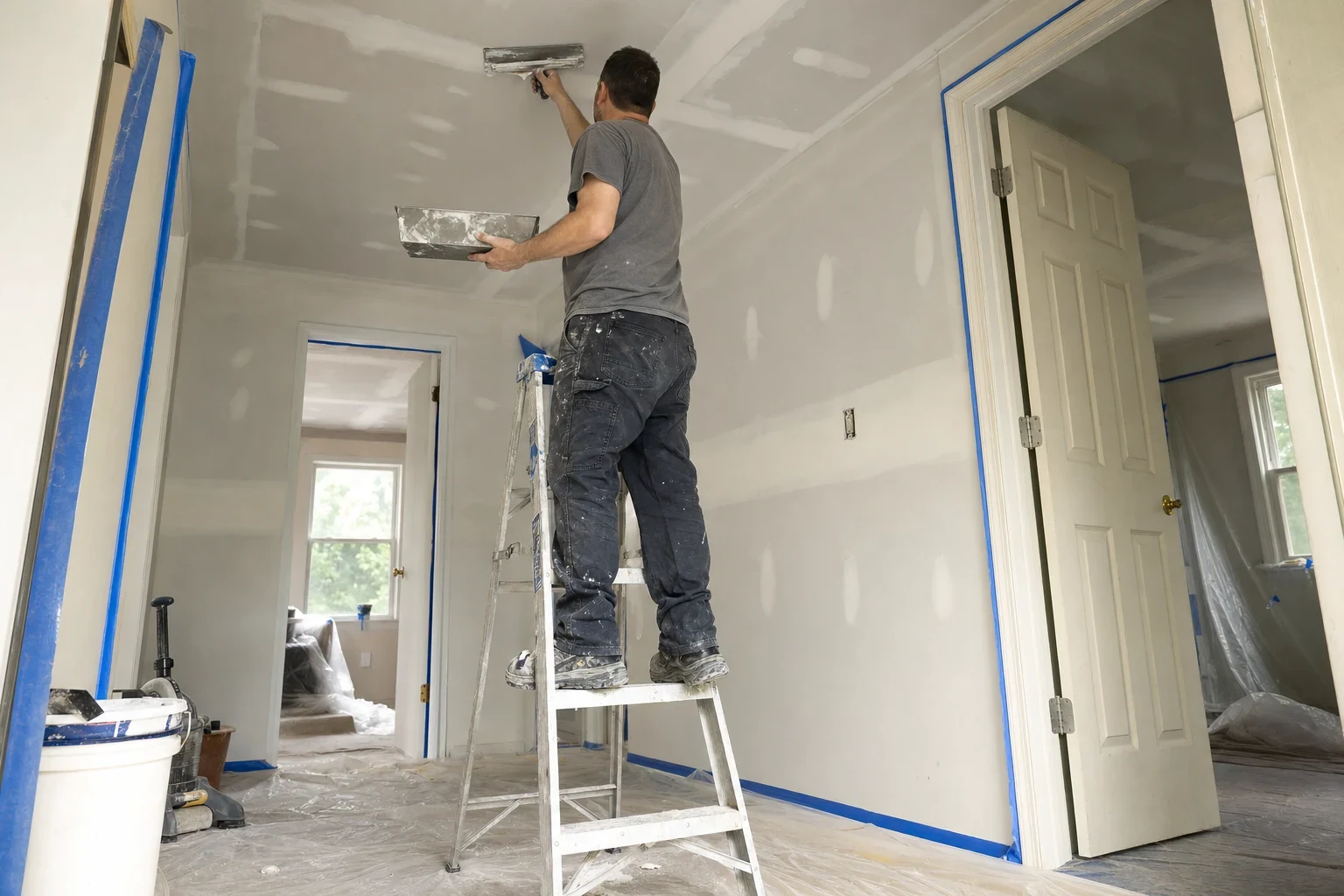
Drywall Repair in Yonkers, Finished So You Can't Find the Patch
We repair cracked, dented and water-stained walls and ceilings, hang and finish new drywall, and handle the sanding and paint touch-ups that make a repair disappear. We work in homes across Yonkers and nearby towns like Dobbs Ferry and Eastchester, with careful prep and a clean room when we leave.
- Written line-item estimates
- Texture matched to your walls
- Clean work area daily
- Honest repair-or-replace answers
Drywall and Ceiling Work, Start to Finish
Most calls start with one problem: a doorknob hole, a crack that keeps coming back, a stain on the ceiling after a leak upstairs. We handle drywall repair and drywall patching for those, and drywall hanging and drywall finishing when a section needs new board. Ceiling repair, wall repair on older plaster, surface preparation and sanding, and paint touch-ups round out the work so the repaired area matches the rest of the room.
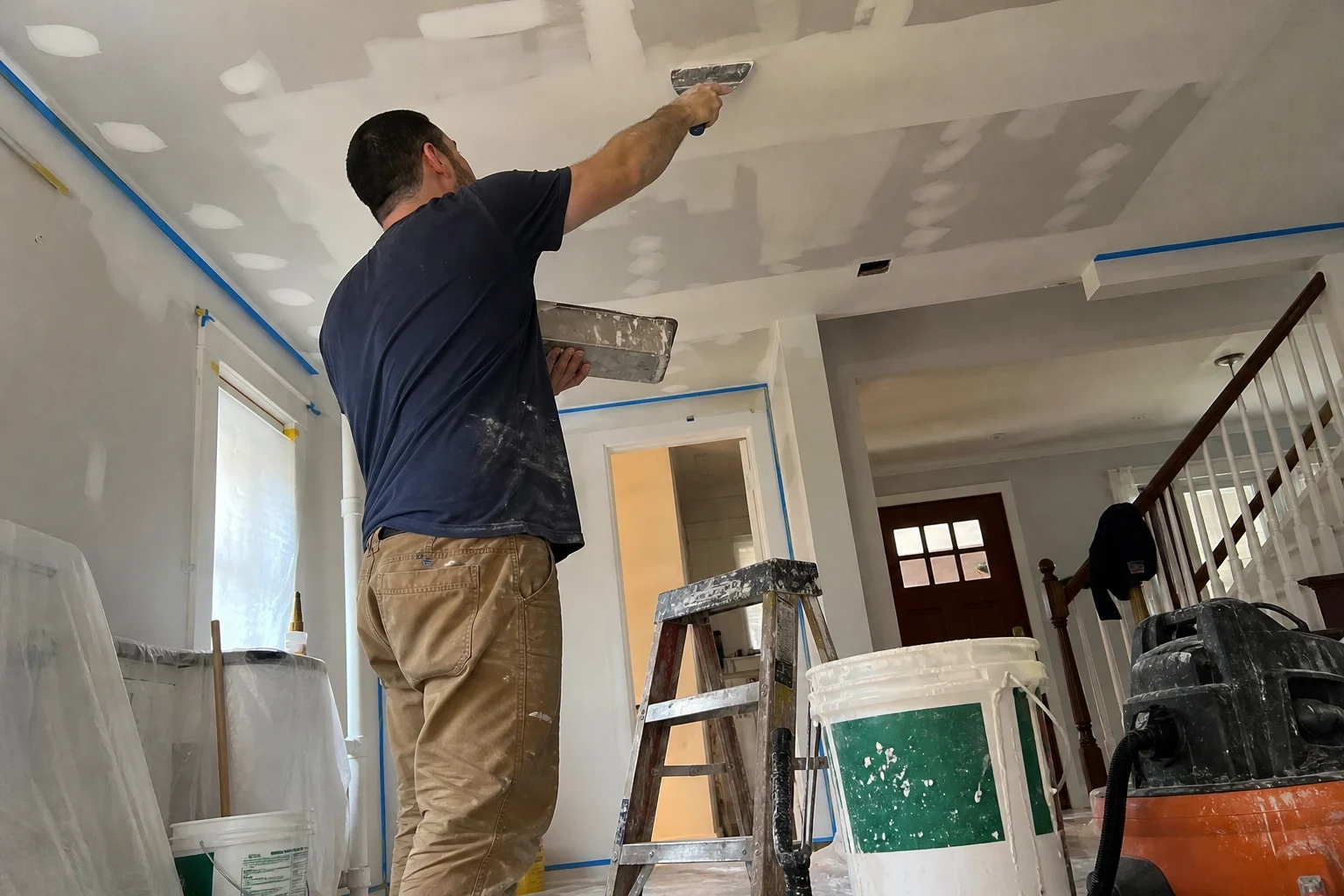
Drywall Repair
Cracked seams, dented corners, water-stained panels and popped screws repaired with matched texture and careful sanding so the wall reads as one surface again.
Drywall Patching
Doorknob holes, anchor holes, dents and old cutouts patched, feathered and texture matched so the wall reads as one surface again.
Drywall Hanging
New drywall hung on bare studs or ceiling joists, with the right board for each room and seams laid out for a clean, flat finish.
Drywall Finishing
Taping, mudding and sanding new or repaired drywall to the level of smoothness your lighting and paint call for.
Wall Repair
Plaster cracks, dented drywall, bulging old patches and stained sections repaired with the right material for the wall you actually have.
Ceiling Repair
We repair stained, cracked and sagging ceilings, find what caused the damage, and match the surrounding texture so the fix disappears.
Surface Preparation and Sanding
We fill, skim and sand walls and ceilings so the next coat of paint shows a smooth, even surface instead of every old flaw.
Paint Touch-Ups
Small areas of paint matched for color, sheen and roller texture so repairs, scuffs and patched holes stop catching the light.
Paint-Ready Walls
We get damaged or patchy drywall flat, sanded and primed so a fresh coat of paint looks even under any light.
Where We Work
We repair drywall and ceilings in homes throughout Yonkers and nearby communities, including Greenburgh, Dobbs Ferry, Greenville, Scarsdale, Eastchester, Mount Vernon and New Rochelle. We also take jobs across the river in Tenafly, Cresskill and Closter.
- Yonkers
- Greenburgh
- New Rochelle
- Mount Vernon
- Eastchester
- Scarsdale
- Tenafly
- Dobbs Ferry
- Greenville
- Cresskill
- Closter
If your town isn't listed, ask when you call. We can tell you right away whether it is within our usual range.
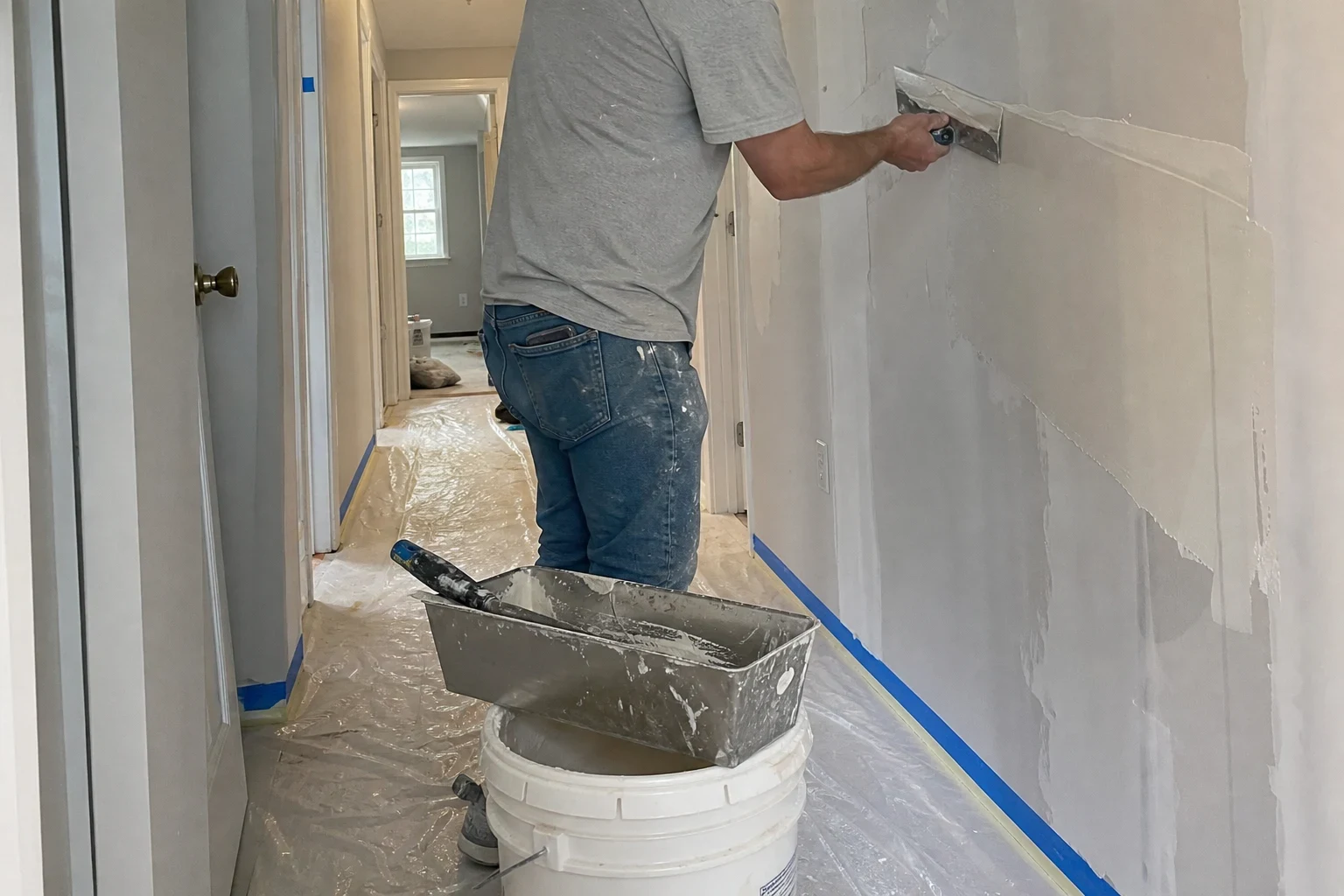
What Shapes the Price of a Drywall Job
No two repairs cost the same, and we would rather explain why than quote a number before seeing the wall. These are the things that move the price most.
Describe the damage by phone and we will talk through scope, then give you a written, line-item estimate once we have seen the wall. If anything changes after we open it up, we explain it before going further.
- Size and number of repairs
- One fist-sized hole is a different job from a hallway of dents and nail pops. Grouping several repairs into one visit usually uses time and material more efficiently.
- Plaster or drywall
- Repairs to plaster over lath take more steps than gypsum board, since loose plaster has to be secured or cut back before anything new goes on.
- Ceilings and access
- Overhead work is slower and needs staging. High stairwell walls and tall ceilings add setup time.
- What's underneath
- Water-damaged board, rusted corner bead or damaged framing behind the surface all add work once the area is opened.
- Finish level and texture
- A smooth finish under strong window light needs more coats and sanding than a textured wall. Matching an older hand-applied texture takes extra care.
- Touch-up area
- Spot priming and a paint touch-up are part of finishing, but how far the color has to blend affects the time involved.
How We Work in Your Home
A good repair is mostly patience: the right compound, enough drying time and a light hand with the sander. Here is what that looks like when we are in your home.
We read the wall before we cut
Plenty of houses here mix original plaster and lath with later drywall, sometimes in the same room. We check what is behind the damage first, because plaster and gypsum board take different repairs and a mismatched fix tends to crack along the edge.
Texture matching, not just flat patches
Walls and ceilings carry their own finish, from smooth skim coats to orange peel and older hand-troweled surfaces. We match what is already there so the repair reads as part of the wall under side light.
Drying time we don't rush
Joint compound shrinks as it cures, and humid summer weeks slow it down. We let each coat dry properly before the next, which is the difference between a patch that holds and one that shows a ridge a month later.
Dust kept in its place
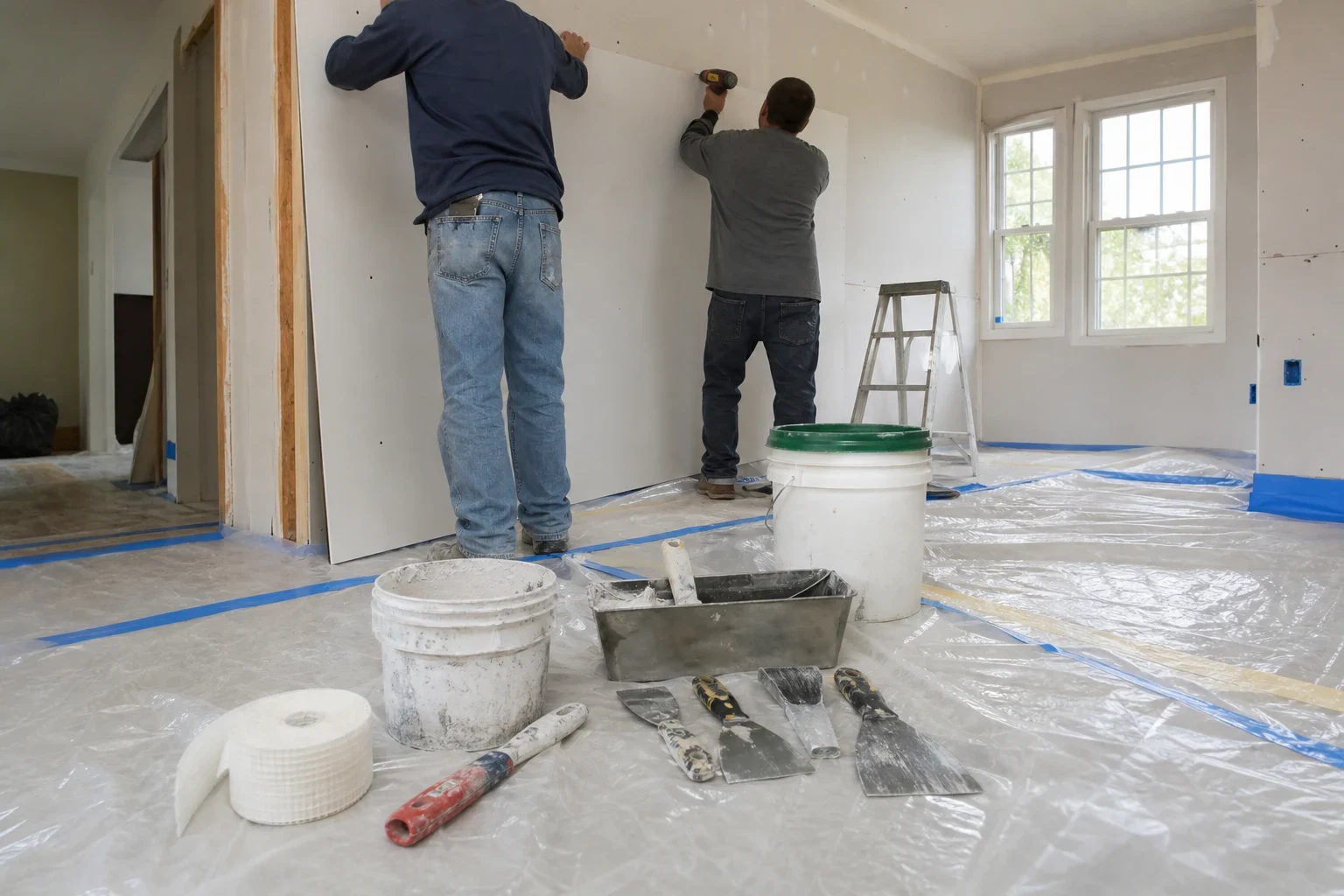
We cover floors and furniture, mask doorways when sanding, and vacuum as we go. You get a clean work area at the end of each day, not just at the end of the job.
A straight answer on scope
If a few square feet of patching will do, we say so. If the board is soft from old moisture and needs replacing, we show you why with photos before any work changes.
How a Repair Runs
Most small repairs take more than one short visit because compound needs to dry between coats. Here is the usual order.
- 1
A phone conversation
You tell us what happened and where. We ask a few questions about size, location and any past leaks, and set a time to look.
- 2
Look, measure, estimate
We check the surface and what is behind it, take photos, and write up the work line by line so you know what each part covers.
- 3
Protect, repair and coat
We cover the area, cut out or secure damaged material, set new board or mesh, and apply compound in thin coats with drying time between.
- 4
Sand, match and touch up
We sand under a work light to catch ridges, match the texture, spot prime and blend the paint touch-up into the surrounding wall.
- 5
Walk-through and cleanup
We look at the repair with you in normal room light, then pick up drop cloths and vacuum before we go.
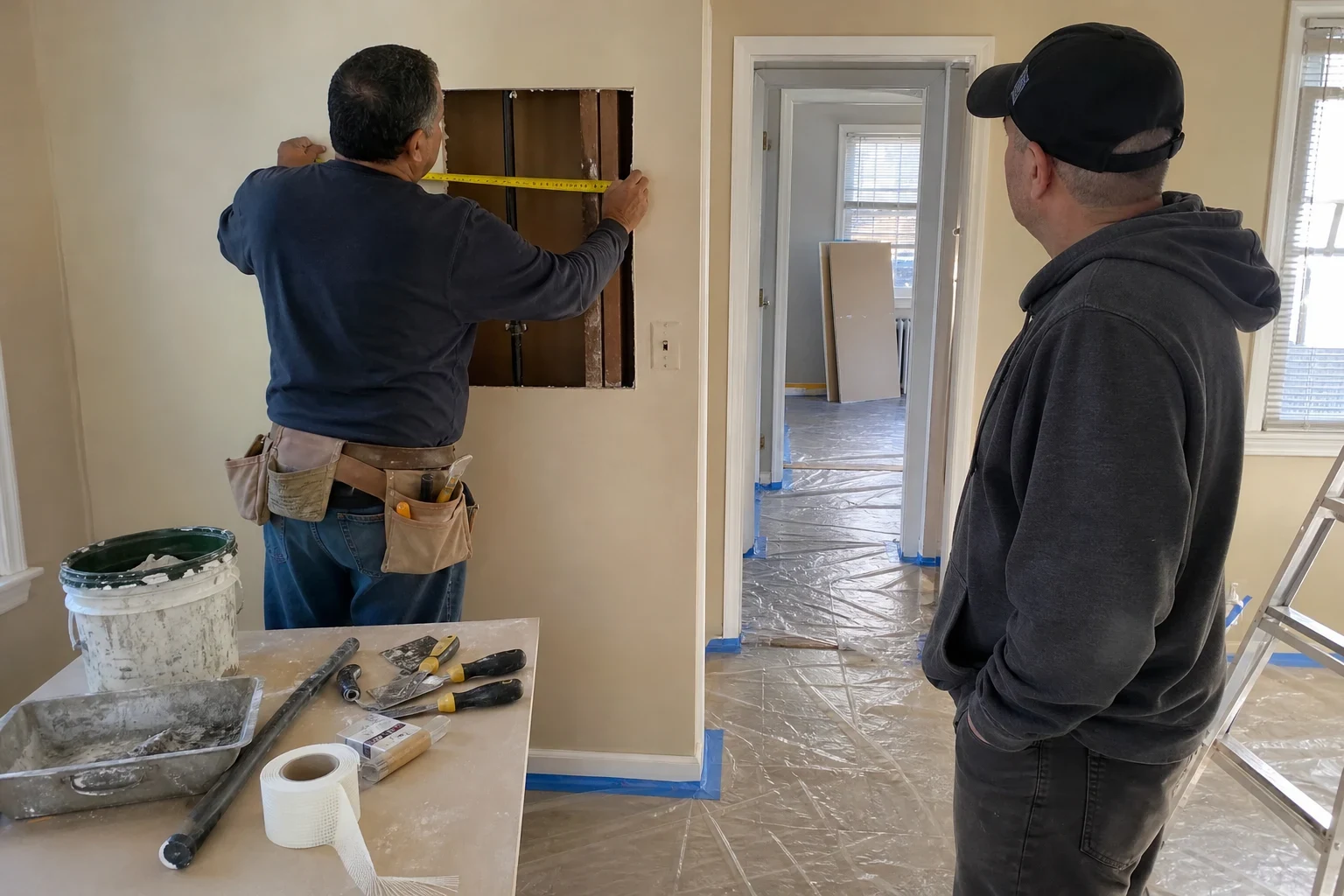
About Drywall Repair Yonkers
We are a drywall company focused on one thing: making damaged walls and ceilings look like nothing ever happened. Our work runs from single patches to new sections of board, always with the finish in mind, because a strong repair that still shows is only half done.
Working in this area means seeing the same patterns again and again. Prewar plaster that cracks as radiator heat dries a house out each winter, ceilings stained after an upstairs leak, and mid-century drywall with nail pops along the seams. That local know-how shapes how we plan each job, and it lets us tell you plainly what your wall needs.
Questions We Hear Often
Something not covered here? (914) 568-3360
Can you make a patch invisible?
On most walls, yes. The work is in feathering the compound wide, sanding under angled light and matching the existing texture. Paint plays a part too, so we spot prime and blend the paint touch-up rather than dabbing color only on the patch.
My house has plaster walls. Do you work on those?
We do. Many older homes in the area have plaster and lath, and we repair it with methods suited to plaster instead of treating it like drywall. Sometimes the right answer is securing loose plaster; sometimes it is cutting back and setting a drywall insert. We explain which one fits your wall.
A leak upstairs stained my ceiling. What happens now?
First make sure the leak itself has been fixed and the area has dried. We then check whether the board is still sound. A dry, firm ceiling can often be sealed with a stain-blocking primer and touched up, while sagging or soft board needs to be cut out and replaced.
Do I need a permit for drywall repair?
Ordinary patching and repair usually does not need one. Larger projects, especially work tied to framing, electrical or other changes, can fall under local permit rules. We will tell you if your scope moves into that territory before work starts.
How messy is the work, and do I need to leave?
You can stay home. We cover floors and furniture, mask off the room when sanding and vacuum each day. Some fine dust is unavoidable, but we keep it contained to the work area.
How long does a typical repair take?
A small patch often needs two or three short visits so each coat can dry fully. Larger repairs and new board take longer. We give you a realistic schedule with the estimate, and humid weather can add a day of drying.
How do I get a quote?
Get your quote by phone. Describe the damage and its location, and we will talk through the likely approach, then follow up with a written estimate after seeing the wall in person.
Ready to See That Wall Look Right Again
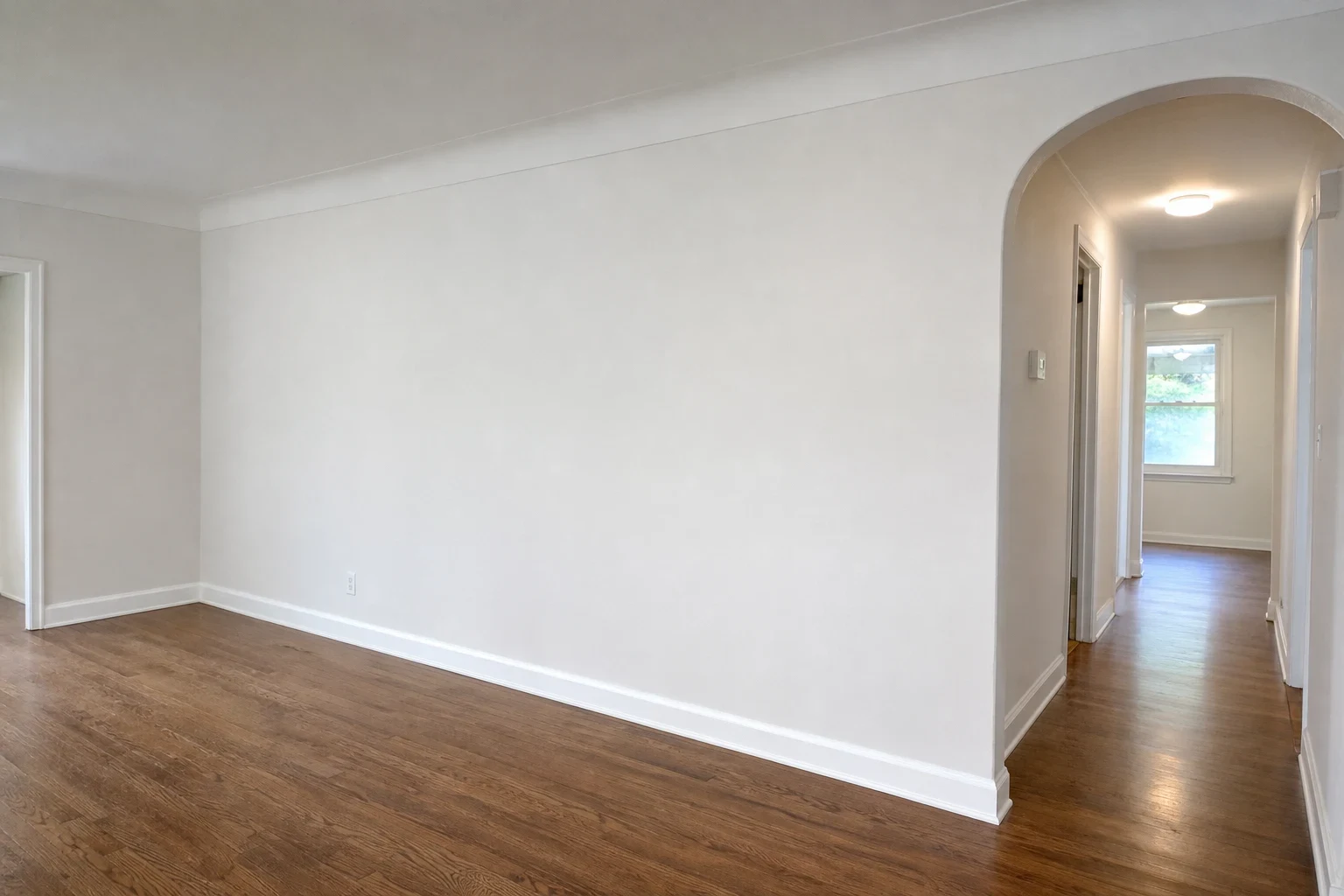
Tell us about the crack, hole or stain and we will walk you through how we would repair it. You get a clear plan and a written estimate before any work begins.